Late Complications of Bariatric Surgery: Symptoms to Watch for Long After Surgery
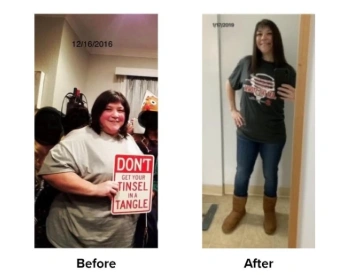
Bariatric surgery offers life-changing benefits for patients struggling with obesity, including sustained weight loss and improvement in obesity-related conditions. For most patients, recovery is smooth and outcomes are highly positive.
However, like any major surgery, bariatric procedures can carry long-term risks. Some complications may not appear until months or even years after surgery, which is why ongoing follow-up care is essential.
Below are the most common late complications of bariatric surgery, the symptoms to watch for, and when to seek medical care.
Early vs. Late Bariatric Surgery Complications
Your surgeon will discuss early (short-term) risks before surgery. These typically occur within weeks and may include:
- Nausea or vomiting
- Acid reflux
- Infection
- Intestinal obstruction
- Difficulty tolerating certain foods
Late complications differ because they often develop after initial recovery, when patients feel “back to normal.”
Common Late Complications of Bariatric Surgery
Dumping Syndrome
Dumping syndrome occurs when food—especially sugar—moves too quickly from the stomach into the small intestine. It is most common after gastric bypass, but can also occur after gastric sleeve surgery.
Symptoms may include:
- Dizziness or lightheadedness
- Nausea or vomiting
- Abdominal cramping or bloating
- Rapid or irregular heartbeat
Dietary changes, slower eating, and limiting sugar intake often help manage symptoms.
Hernias
Hernias can develop when weakened abdominal muscles allow tissue to push through. Weight loss, surgical incisions, and muscle changes can increase risk over time.
Symptoms may include:
- A visible bulge
- Discomfort or pain, especially with movement
- Worsening symptoms over time
Regular movement, core strengthening (when approved), and early evaluation reduce complications.
Bowel Obstruction
A bowel obstruction occurs when part of the intestine becomes blocked. This is a medical emergency.
Warning signs include:
- Inability to pass gas or stool
- Severe abdominal pain
- Persistent nausea or vomiting
- Abdominal swelling
Immediate medical attention is required.
Low Blood Sugar (Hypoglycemia)
Post-bariatric hypoglycemia can occur due to changes in digestion and insulin response.
Symptoms may include:
- Fast heartbeat
- Shakiness or sweating
- Sudden hunger
- Dizziness or irritability
Eating protein-rich meals, avoiding simple sugars, and spacing meals appropriately often help stabilize blood sugar.
Why Long-Term Follow-Up Matters
Late complications can be subtle and easy to dismiss. Ongoing care helps:
- Detect nutritional deficiencies early
- Monitor digestive changes
- Address symptoms before they worsen
- Support long-term weight-loss success
Always contact your bariatric team if something feels “off.”
Frequently Asked Questions
How long after bariatric surgery can complications occur?
Some complications can develop months or even years later, which is why lifelong follow-up is recommended.
Are late complications common?
Most patients do not experience serious late complications, but awareness helps ensure early treatment if they occur.
When should I call my surgeon?
Any persistent pain, digestive changes, or concerning symptoms should be evaluated promptly.
The Bottom Line
Most patients experience positive, lasting results after bariatric surgery. Still, understanding late complications and warning signs is an important part of protecting your long-term health.
At BASS Bariatric Surgery Center, we support patients well beyond surgery with comprehensive follow-up care, education, and ongoing medical guidance.
If you’re experiencing symptoms or have questions about long-term recovery, contact our team today to schedule a consultation.